


The Epistemology of Chance and Strategy
In the realm of gambling, understanding the nature of chance is paramount. Philosophically, this delves into epistemology – the study of knowledge. Can one truly “know” a winning outcome in a game of chance? While probabilities can be calculated and strategies devised, the inherent randomness of casino games means that definitive knowledge of future results is impossible, and this is where understanding the offerings at a place like casino goldenmister becomes relevant to strategy. This doesn’t negate the value of understanding probabilities, but it frames it within the limits of what can be known, acknowledging the persistent role of luck.

A pragmatic approach to gambling, therefore, involves a careful balance between acknowledging the unpredictable nature of outcomes and applying rational methods where possible. This means understanding that while a strategy might improve your odds over the long run, it doesn’t guarantee a win on any single spin of the roulette wheel or hand of cards. Embracing this philosophical perspective helps to manage expectations and avoid the pitfalls of believing in guaranteed success, a common illusion among those who chase big wins.
Ethical Considerations in Gambling Pursuits
The pursuit of “winning big” in casinos raises ethical questions concerning personal responsibility and the potential for harm. Philosophically, one might explore utilitarian perspectives: does the potential gain for an individual outweigh the potential negative consequences for themselves or others, such as problem gambling? The allure of a large payout can overshadow the reality of significant losses, leading to behaviors that can impact financial stability and well-being.
Responsible gambling is not merely a set of rules; it’s an ethical stance. It involves recognizing the psychological triggers that can lead to compulsive behavior and establishing personal boundaries. This includes setting limits on time and money spent, understanding that gambling is entertainment rather than a reliable income source, and seeking help if gambling becomes problematic. A philosophical commitment to ethical conduct ensures that the pursuit of leisure does not devolve into a destructive obsession.
The Psychology of Risk and Reward
Gambling is intrinsically linked to the psychology of risk and reward. Philosophers have long debated the human propensity for risk-taking, often driven by the anticipation of significant rewards. In a casino environment, this is amplified. The thrill of potentially winning a large sum can be psychologically intoxicating, leading individuals to underestimate the risks involved. This often stems from cognitive biases, such as the gambler’s fallacy, where past random events are incorrectly believed to influence future independent events.
Understanding these psychological underpinnings is crucial for anyone looking to engage with casino games, whether for leisure or with the aspiration of winning. It involves developing a metacognitive awareness – thinking about one’s own thinking processes. By recognizing when these biases are influencing decisions, individuals can make more rational choices. This self-awareness is a cornerstone of managing one’s engagement with the high-stakes environment of casinos, ensuring that the pursuit of reward doesn’t lead to succumbing to undue risk.
The Stoic Approach to Casino Victories and Defeats
Drawing from Stoic philosophy, a balanced approach to gambling involves cultivating equanimity in the face of both wins and losses. The Stoics emphasized focusing on what is within our control – our thoughts, judgments, and actions – and accepting what is not. In a casino, what is not within our control is the outcome of any given game. Therefore, the true measure of success lies not solely in the financial gain, but in the manner in which one navigates the experience.
A Stoic gambler would approach the casino with clear intentions, predetermined limits, and a detached perspective. They would celebrate a win with gratitude but without excessive elation, recognizing its transient nature. Similarly, a loss would be accepted with composure, understood as a natural part of the game, rather than a personal catastrophe. This philosophy fosters resilience and prevents emotional turmoil, allowing for continued enjoyment of casino entertainment without it negatively impacting one’s inner peace or financial well-being, a principle that can be applied when enjoying online platforms.
Exploring Online Casino Opportunities
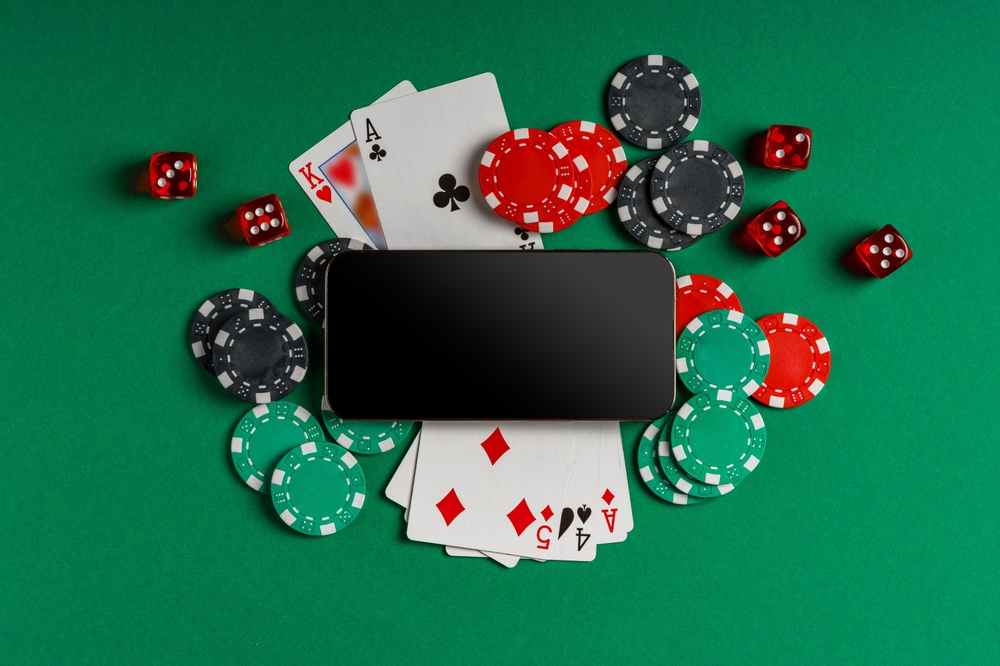
For those seeking to explore the world of casino entertainment from the comfort of their homes, online platforms offer a vast array of games. These digital environments provide convenience and accessibility, allowing players to engage in various forms of gambling without geographical limitations. When choosing an online casino, it is important to consider factors such as game variety, user interface, security measures, and customer support. Responsible gambling tools are also a key indicator of a reputable operator.
Platforms like Golden Mister 777 aim to provide a comprehensive online casino experience. They typically offer a wide selection of slot machines, table games, and live dealer options, catering to diverse player preferences. Understanding the terms and conditions associated with bonuses and promotions is essential, as is utilizing the responsible gambling features offered by the site to ensure a safe and enjoyable gaming session. Evaluating the overall user experience, including ease of navigation and deposit/withdrawal methods, further contributes to informed decision-making for players.